About our work
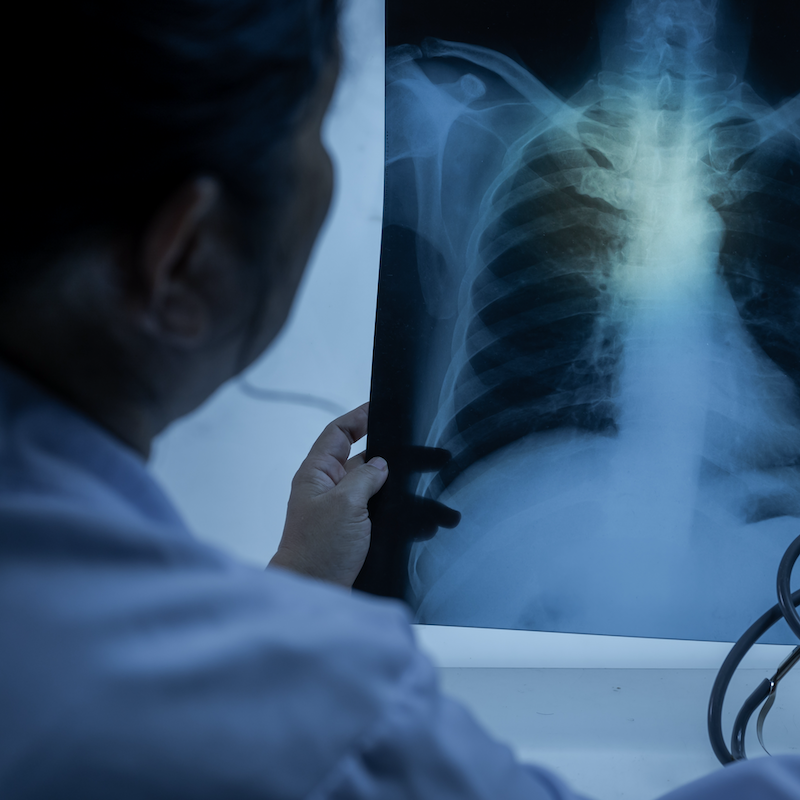
Welcome to our TB in Manchester project, a dedicated initiative supported by Manchester City Council, aimed at tackling tuberculosis (TB) within our diverse communities. Our charity focuses on the unique needs of people of colour, those born abroad and anyone else affected by TB, recognizing the importance of culturally sensitive approaches in healthcare. We strive to raise awareness of TB, particularly among those born abroad, who are disproportionately affected by this disease. Through education and outreach, we aim to empower individuals to take control of their health by encouraging screening and preventative measures.
In addition to raising awareness, we work closely with TB clinics to enhance their cultural competence regarding TB topics. By fostering understanding and empathy, we hope to improve the experiences of those seeking care and ensure that everyone feels safe and supported in discussing their health concerns. Together, we can combat the stigma surrounding TB and promote a healthier future for all members of our community.
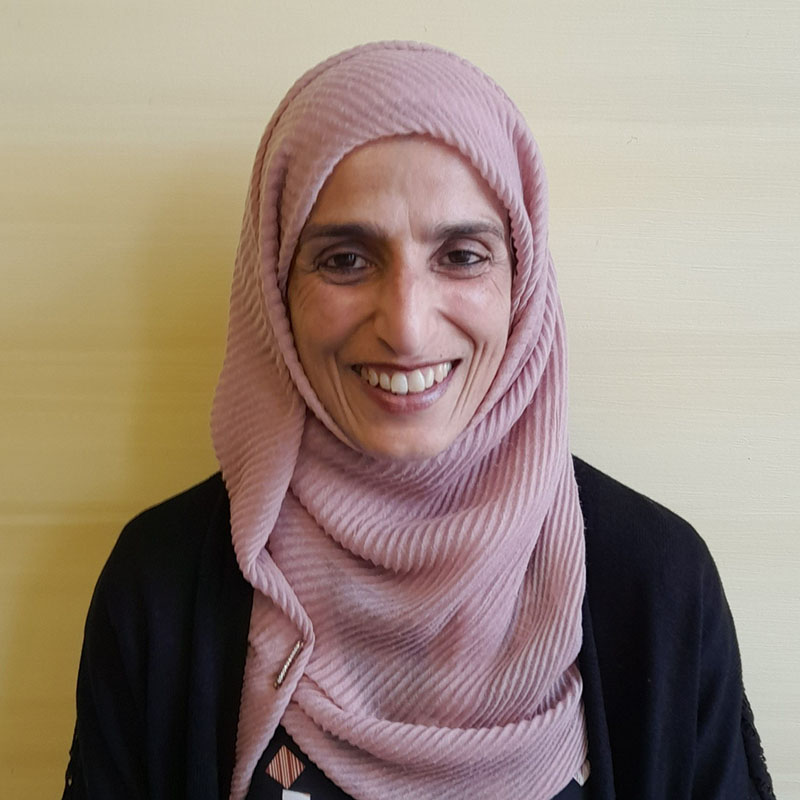
Leading on this project is Seher Sheikh (Shaz). She can be contacted on Seher@thebha.in-beta6.co.uk
Understanding Tuberculosis (TB)
What is TB?
Tuberculosis (TB) is a bacterial infection caused by Mycobacterium tuberculosis, primarily affecting the lungs but can also impact other parts of the body. It is a serious public health concern, particularly in communities with high rates of infection. TB can exist in two forms: latent TB and active TB.
Latent vs. Active TB
Latent TB occurs when a person is infected with the TB bacteria but does not show symptoms and cannot spread the disease. In contrast, active TB is when the bacteria multiply, causing symptoms and making the person contagious. It is crucial to identify and treat latent TB to prevent it from developing into active TB.
Who is Most Affected?
TB disproportionately affects individuals born abroad, particularly those from countries with high TB prevalence. Other high-risk groups include people with weakened immune systems, such as those living with HIV, and individuals in close contact with TB patients. Cultural and socioeconomic factors also play a significant role in vulnerability to TB.
Transmission of TB
TB is primarily transmitted through the air when an infected person coughs or sneezes, releasing tiny droplets containing the bacteria. People nearby can inhale these droplets, leading to infection. Prolonged exposure in enclosed spaces increases the risk of transmission.
Symptoms of TB
Common symptoms of active TB include a persistent cough (lasting more than three weeks), chest pain, coughing up blood, fatigue, weight loss, fever, and night sweats. It is essential to seek medical attention if you experience these symptoms, especially if you are in a high-risk group.
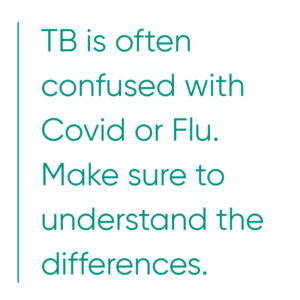
| Symptom | TB | Covid | Flu |
| Onset | Slow, develops over weeks or months | Sudden, within days after exposure | Sudden, within 1–4 days after exposure |
| Fever | Common, often mild and long-lasting | Common, can be high | Common, can be high |
| Cough | Persistent, often lasting weeks; may have mucus or blood | Common, dry or productive | Common, usually dry |
| Shortness of breath | Can occur, especially as disease worsens | Common, can be severe | Sometimes, usually mild |
| Fatigue (tiredness) | Common, often severe and long-lasting | Common, can be severe | Common, can be severe |
| Muscle/body aches | Less common | Common | Common |
| Headache | Less common | Common | Common |
| Sore throat | Less common | Common | Common |
| Runny/stuffy nose | Rare | Sometimes | Sometimes |
| Loss of taste/smell | Rare | Sometimes, more common than with flu | Rare |
| Chest pain | Can be present | Sometimes | Rare |
| Appetite loss/weight loss | Very common | Sometimes | Sometimes |
| Vomiting/diarrhea | Rare | Sometimes | Sometimes (more common in children) |
| Chills/shivering | Sometimes | Sometimes | Sometimes |
Treatment of TB
Treatment for TB typically involves a course of antibiotics taken for at least six months. It is crucial to complete the full treatment regimen to ensure the bacteria are eradicated and to prevent the development of drug-resistant TB. Regular follow-up with healthcare providers is essential to monitor progress and manage any side effects.